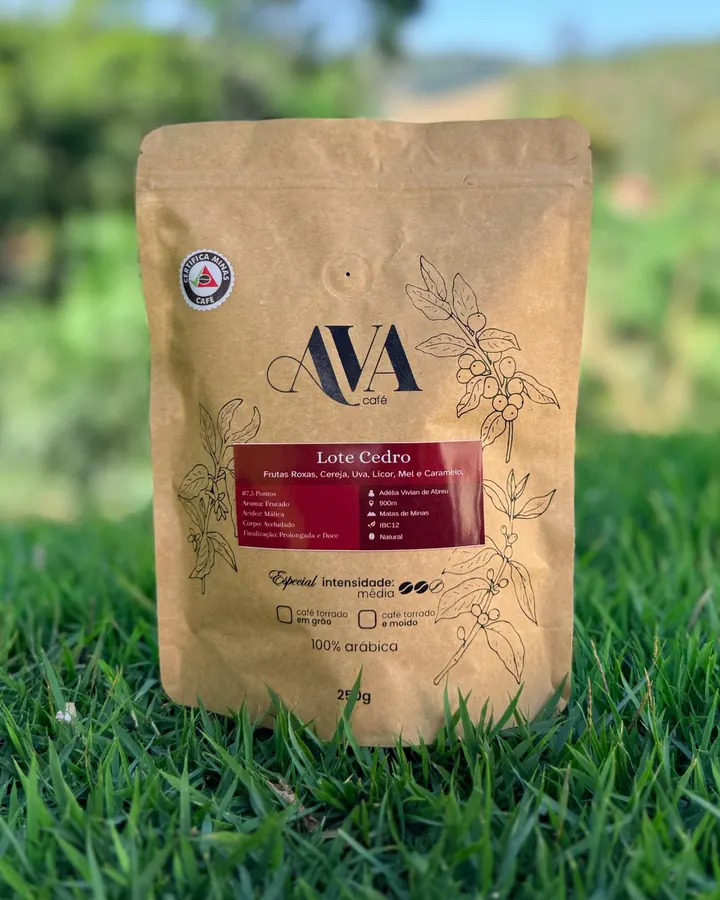
Cedro
Purple fruits, cherry, grape, liqueur, honey and caramel
Lot details
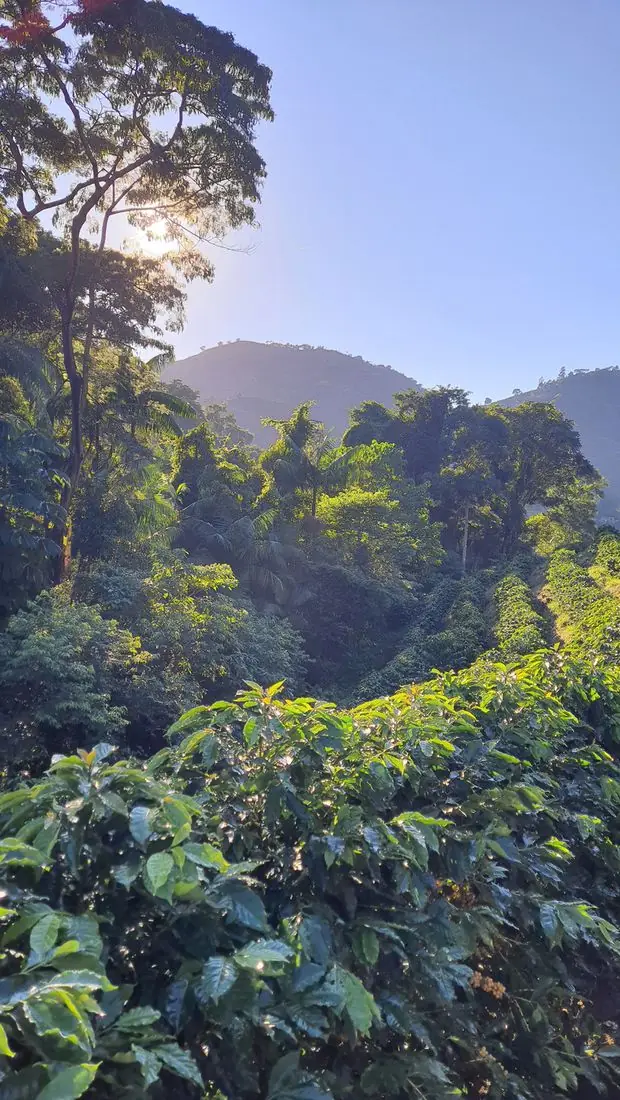
Our "grape coffee" grows in the shade of a great cedar tree, which gives the plot its name.
- Variety
- IBC 12
- Aroma
- Fruity
- Acidity
- Malic
- Body
- Velvety
- Finish
- Long and sweet
From our coffee fields straight to your cup, with no middlemen.
Explore our lots

Tap a flavor to see which lots carry it. 250 g bags, whole bean or ground, shipped anywhere in Brazil.

Purple fruits, cherry, grape, liqueur, honey and caramel
Our "grape coffee" grows in the shade of a great cedar tree, which gives the plot its name.

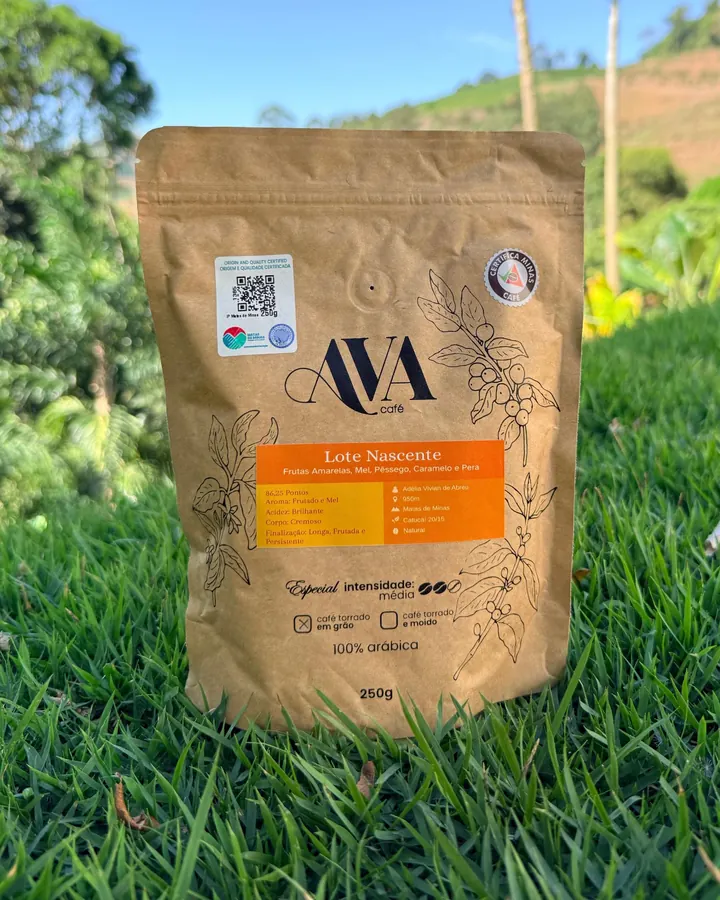
Yellow fruits, honey, peach, caramel and pear
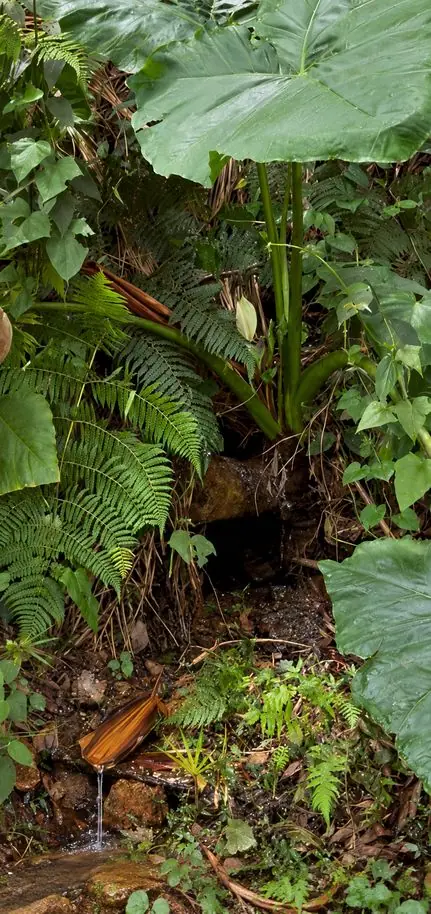
On Sítio Sossego, just below a natural spring that keeps the coffee field moist.

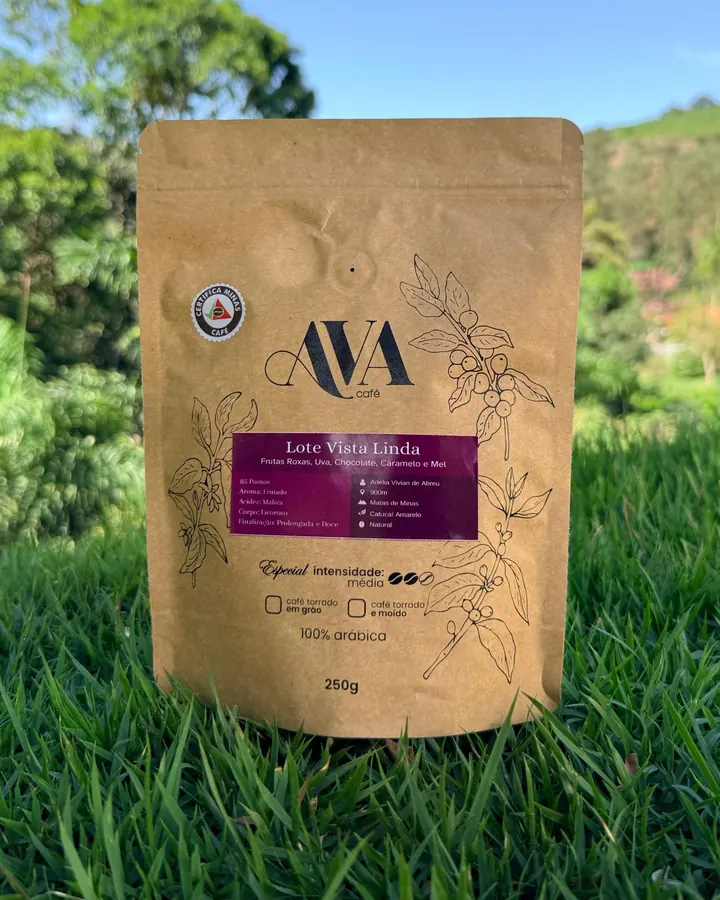
Purple fruits, grape, chocolate, caramel and honey
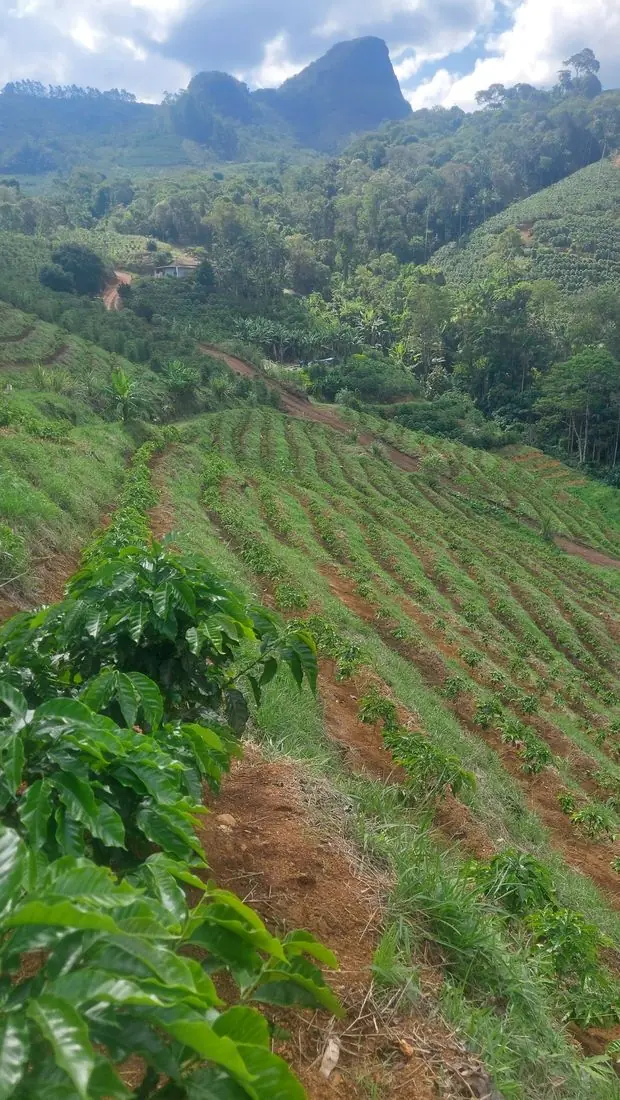
From the farm's highest plot, with a view over the whole mountain range. Catucaí Amarelo with an even ripening.

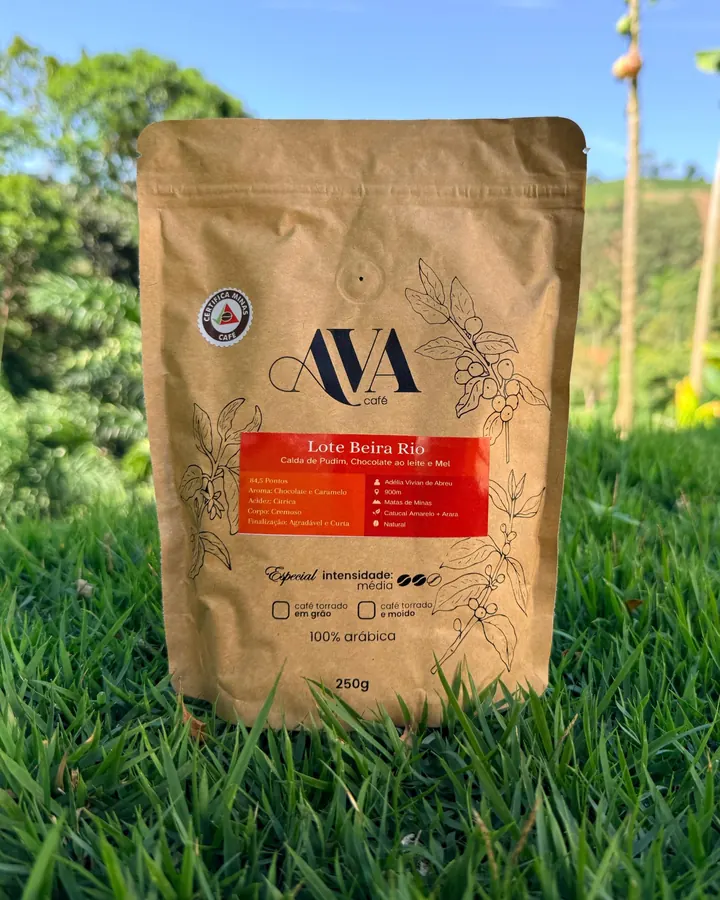
Caramel custard, milk chocolate and honey
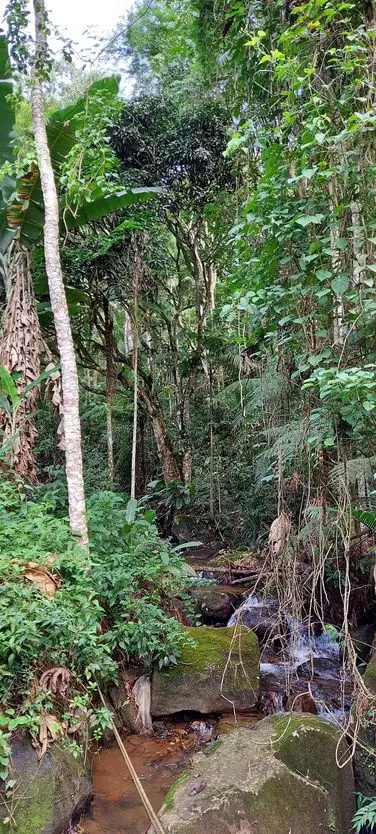
By the stream, it ripens slowly and is the last plot to be harvested.
How to order: click Add on the coffees you want. Your order builds up in the bar at the bottom of the screen; when you are done, click Order on WhatsApp and it is sent to us ready to go (or pay right away by Pix or card). Free shipping within Brazil on orders over R$ 150; below that, we confirm shipping cost and delivery time in the chat. Ordering from abroad? Message us on WhatsApp.
For roasters, coffee shops and home roasters. Hulled green beans sold by the kilo, with a minimum order of 1 kg per lot and free shipping anywhere in Brazil.
Free shipping anywhere in Brazil on green coffee. We ship in 1 kg bags; for more than 30 kg, ask about full-sack terms on WhatsApp.
On the farm, each plot has its own landscape, water and shade. That is what gives each lot its character in the cup.

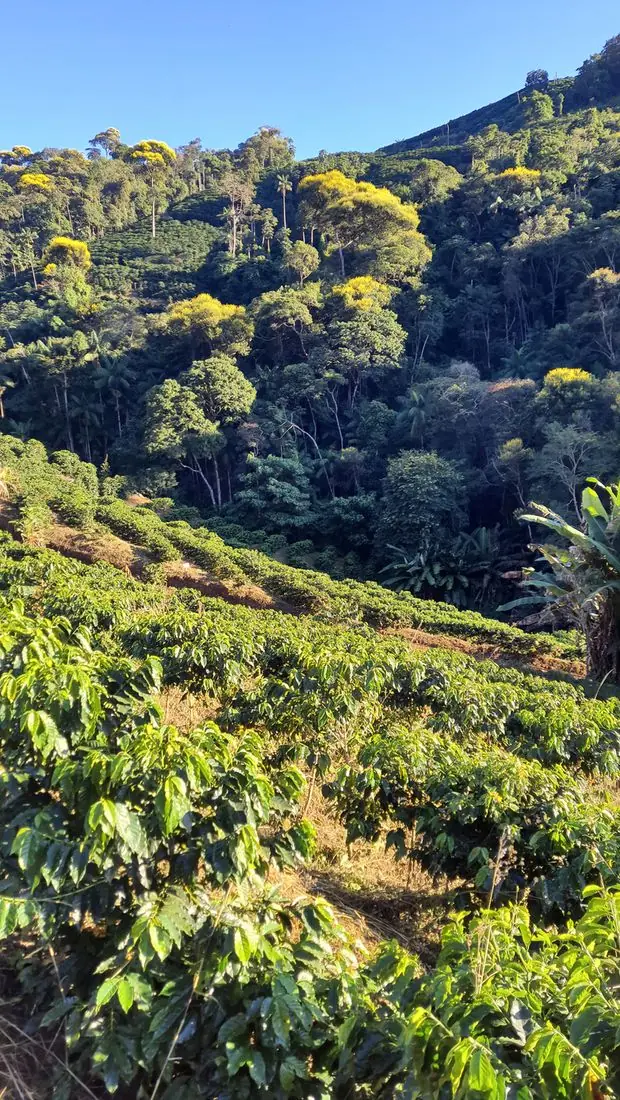
Our grape lot grows in the cedar plot, where a leafy tree shades the coffee plants. Does its remarkable flavor come from its bond with that tree, from the cultivar, from the soil rich in organic matter, from farming without pesticides or from the careful post-harvest? Surely it is all of that, plus the love we put into our work.

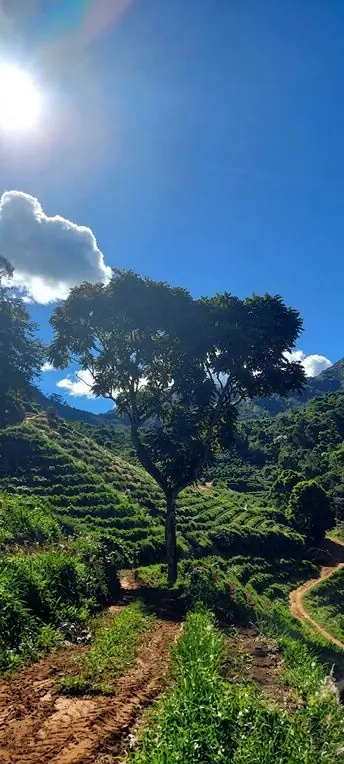
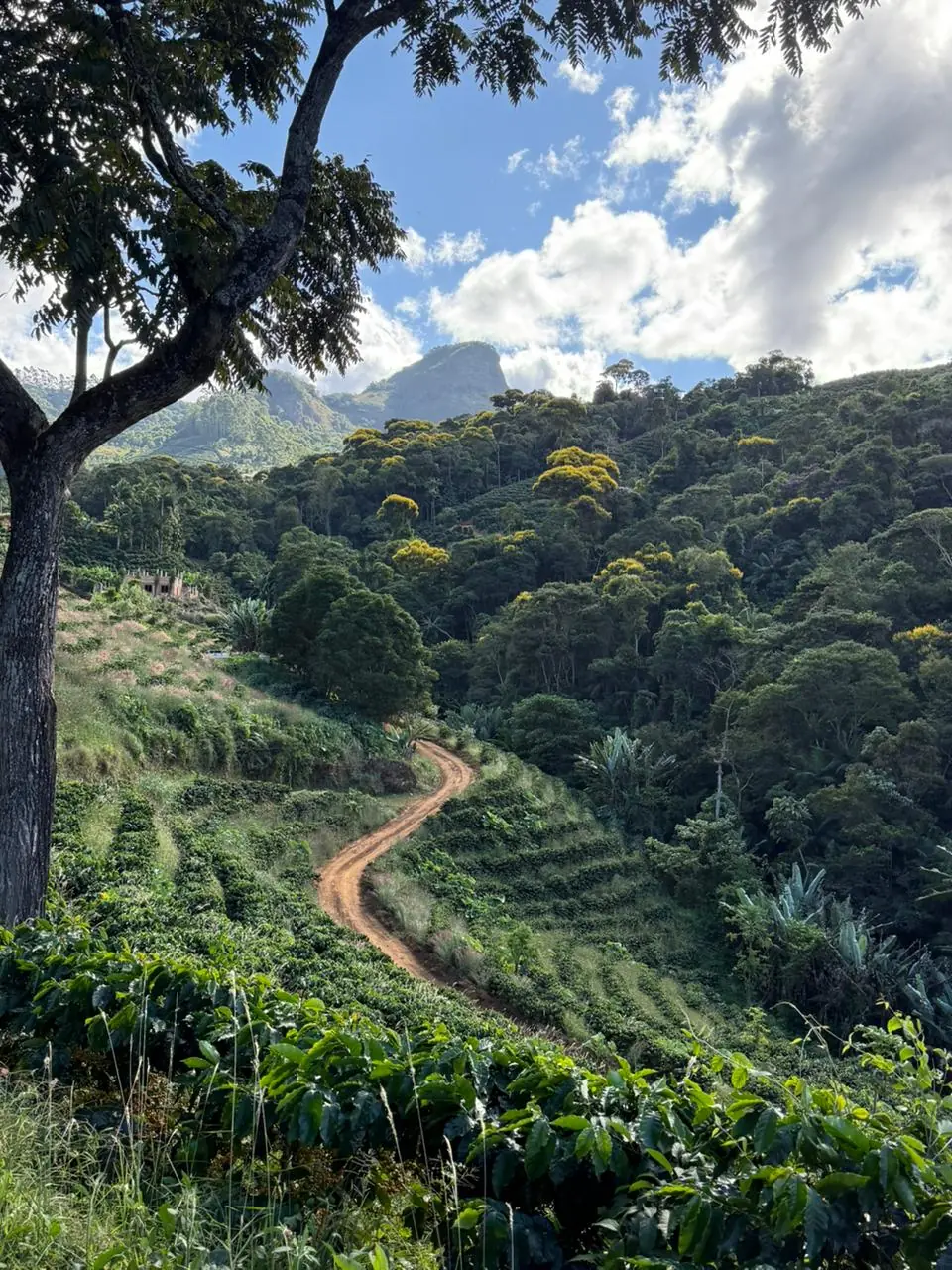
Vista Linda ("beautiful view") is our highest plot. From there you can see the whole coffee field, the lush Atlantic Forest across the stream and a horizon of coffee farms. Year after year it delivers excellent coffee, with even ripening and a good yield.
The spring on Sítio Sossego is a work of art by nature. The water emerges between roots and rocks on a forested slope, runs along the side of the road and drops into a catch pit, where it soaks back into the ground. The plot sits just below and receives that moisture as natural irrigation for the plants.
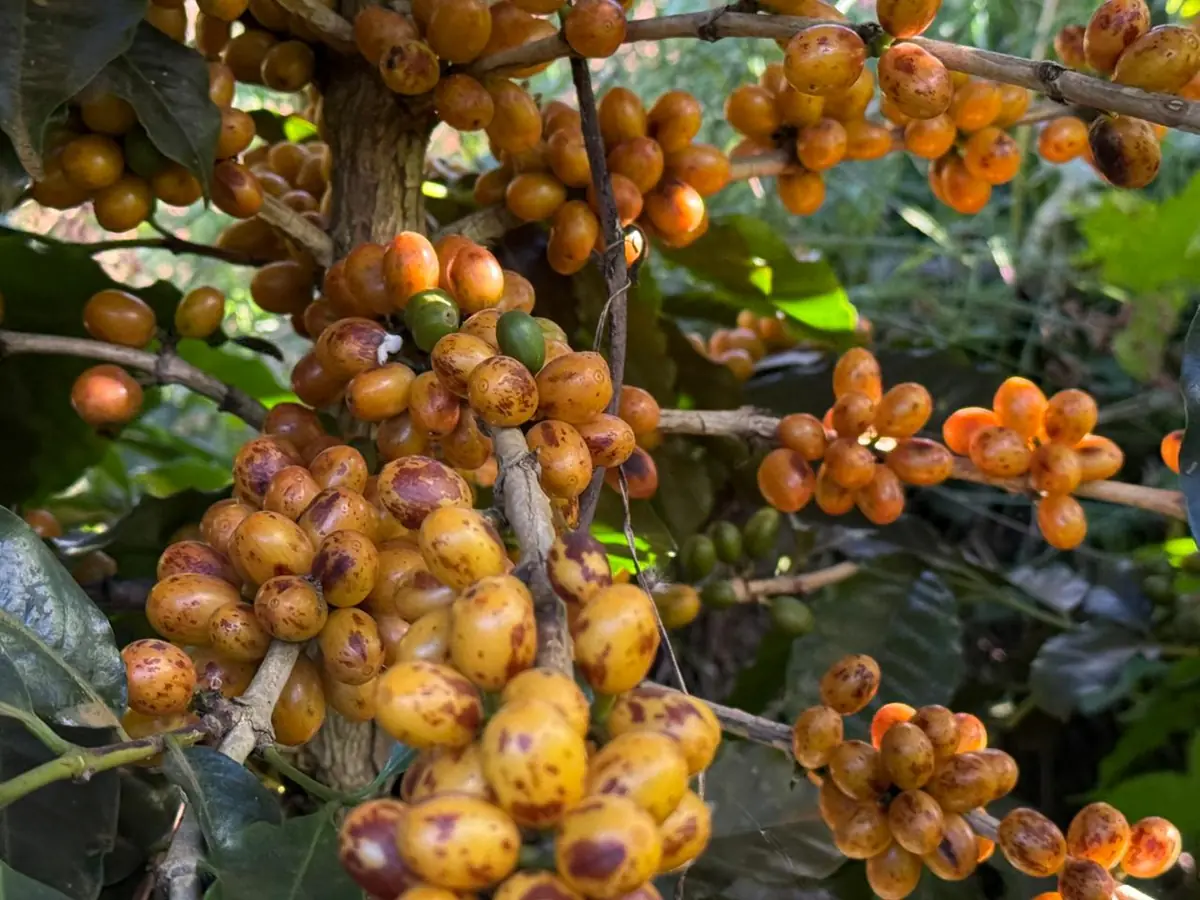
A plot with a cool breeze and the sound of water running over the rocks. The coffee rows wind along a clear, cold stream inside the forest. The late, extremely slow ripening gives the beans time to grow larger than any other coffee on the farm. Their yellow-orange color stands out, along with the intense sweetness of the fruit.
Simonésia lies in a mountainous region of Minas Gerais, Brazil, with altitudes and microclimates that favor outstanding coffee. On the highest plots the cherries ripen slowly and build up sweetness and fruit.
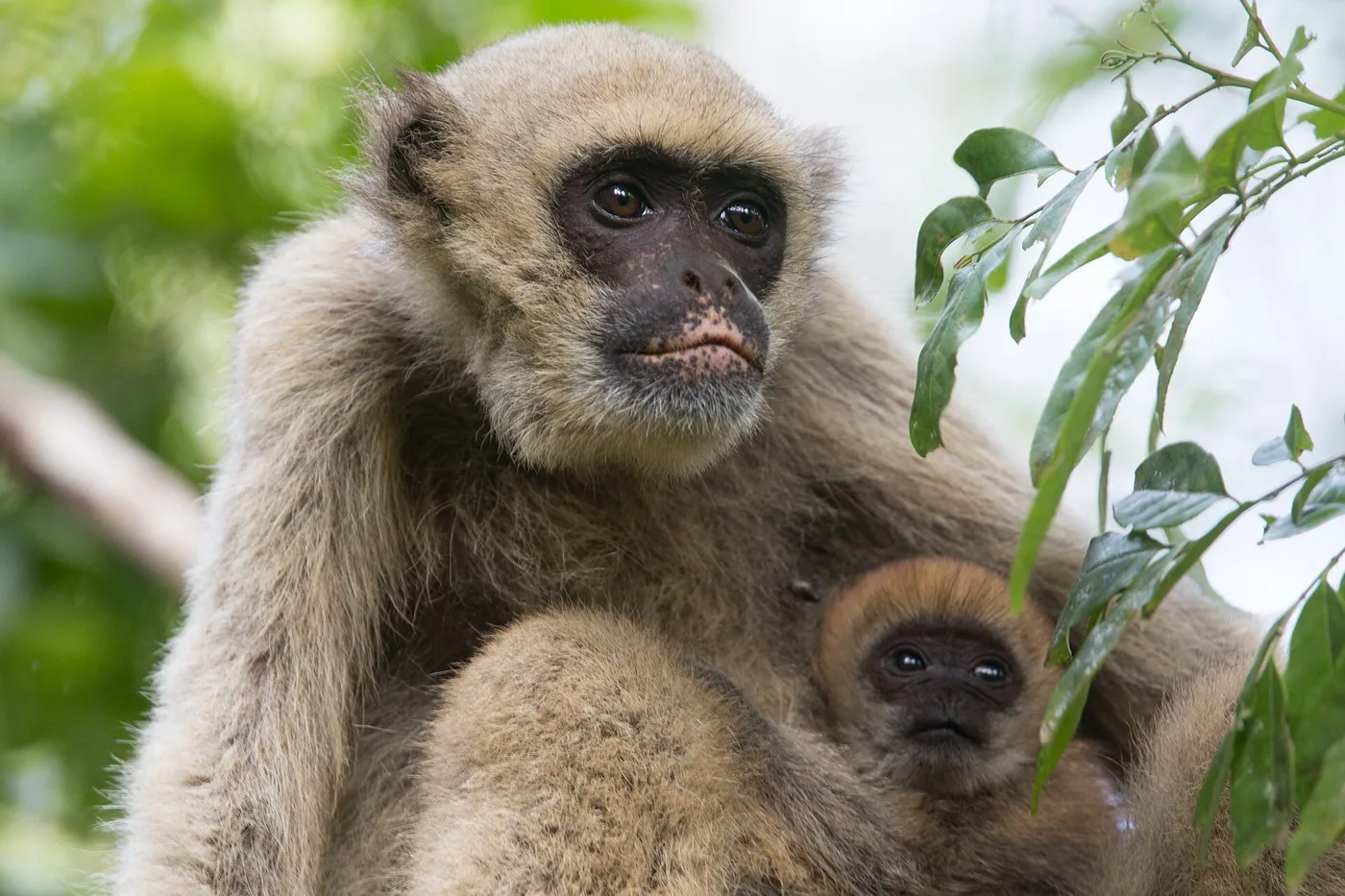
Since 2022 we have also farmed Sítio Sossego, next to the Mata do Sossego private nature reserve, a refuge for the muriquis, the largest primates in the Americas. A high, preserved area farmed with agroecological practices.


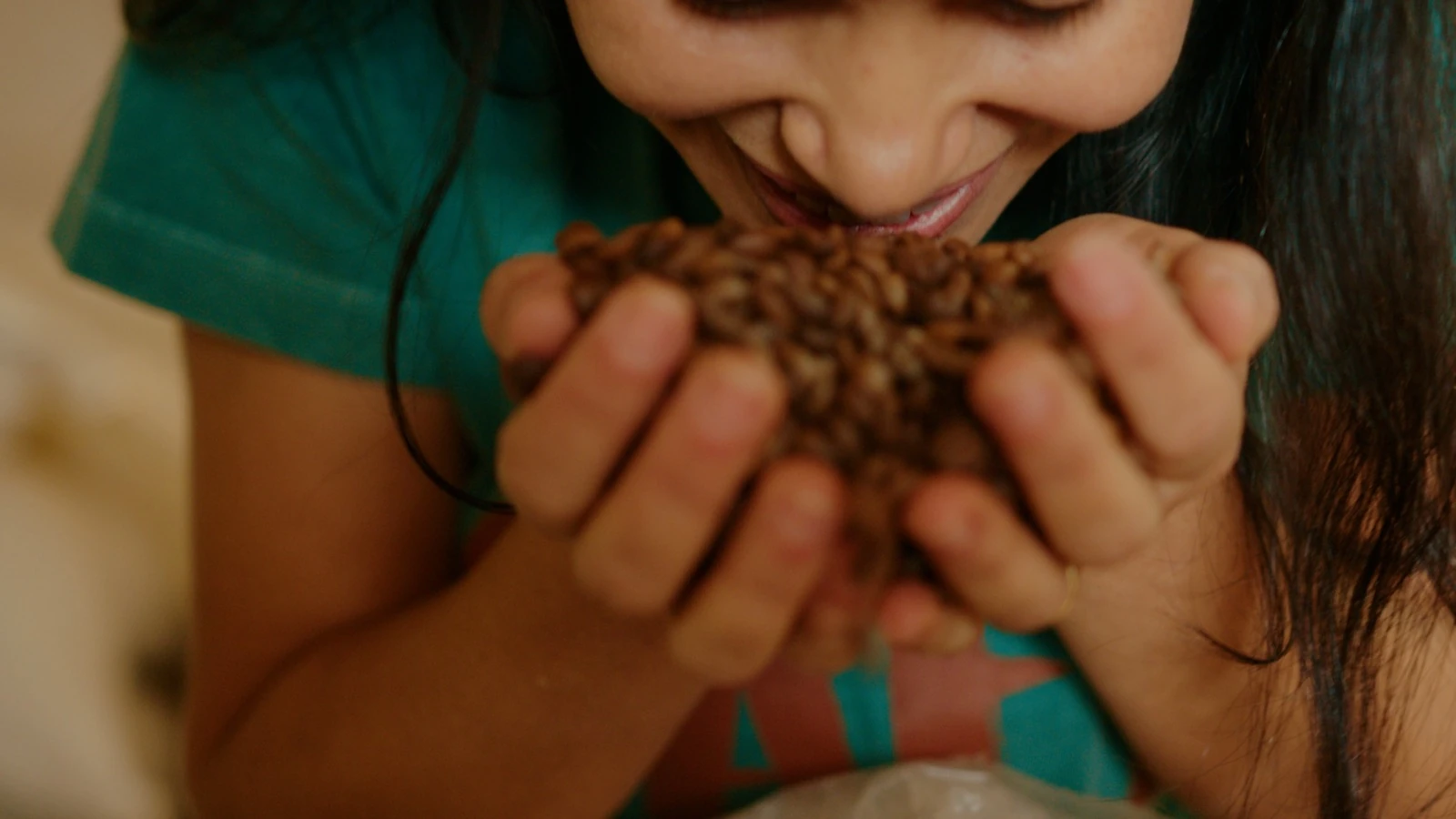
Open the bag, bring it close and breathe in. In our lots you will find:
Use water just off the boil and freshly ground coffee whenever you can. The measurements are a starting point: adjust them to your taste.
Brings out the fruit in Cedro and Nascente.
Full body, with the chocolate of Vista Linda up front.
The caramel custard and chocolate of Beira Rio.
Creamy body and the sweetness of Nascente.
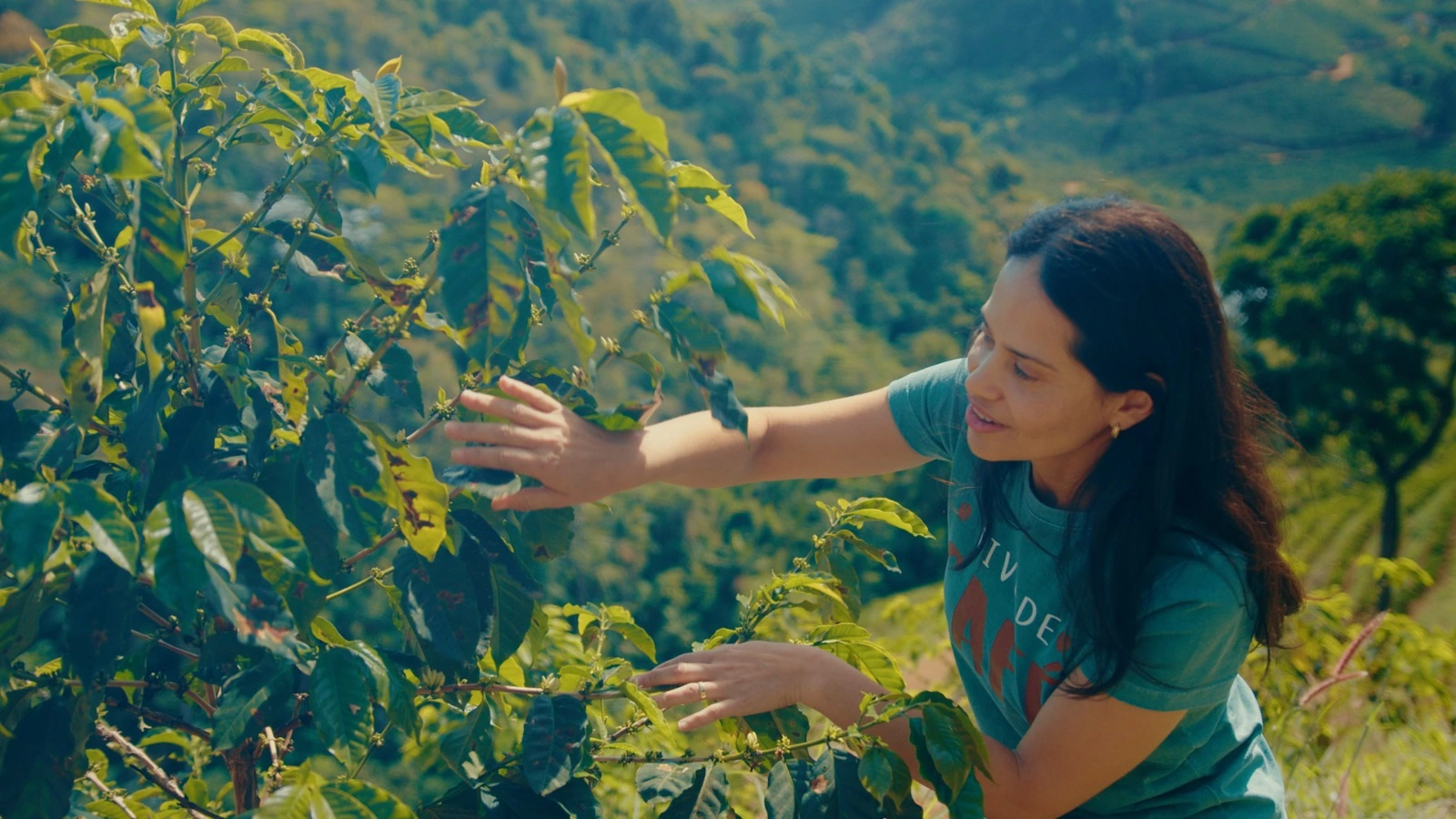
Coffee has always been a family affair for Adélia Vívian de Abreu. She grew up in Simonésia, in the Matas de Minas, watching her father, Manoel de Abreu, known as Manoel Isidoro, tend the coffee fields the way he learned from her grandfather, Sebastião Henrique de Abreu.
Life took her down another path, and Adélia built a career in healthcare. But the dream of having her own piece of land never went away. She left her profession to follow it and, in 2016, bought a small coffee farm near town, which she named Sítio Recanto da Mata. In 2019 a larger area followed.
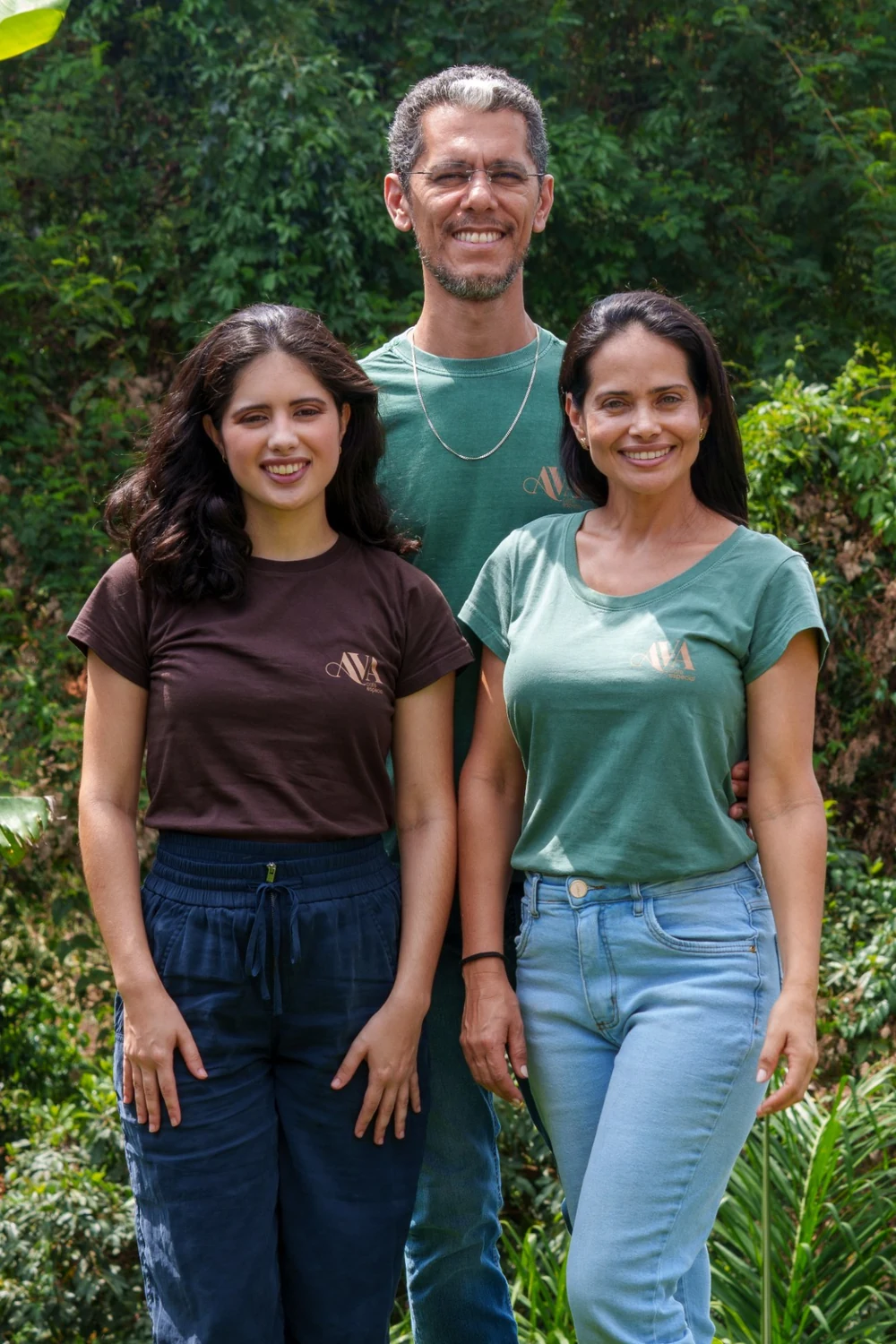
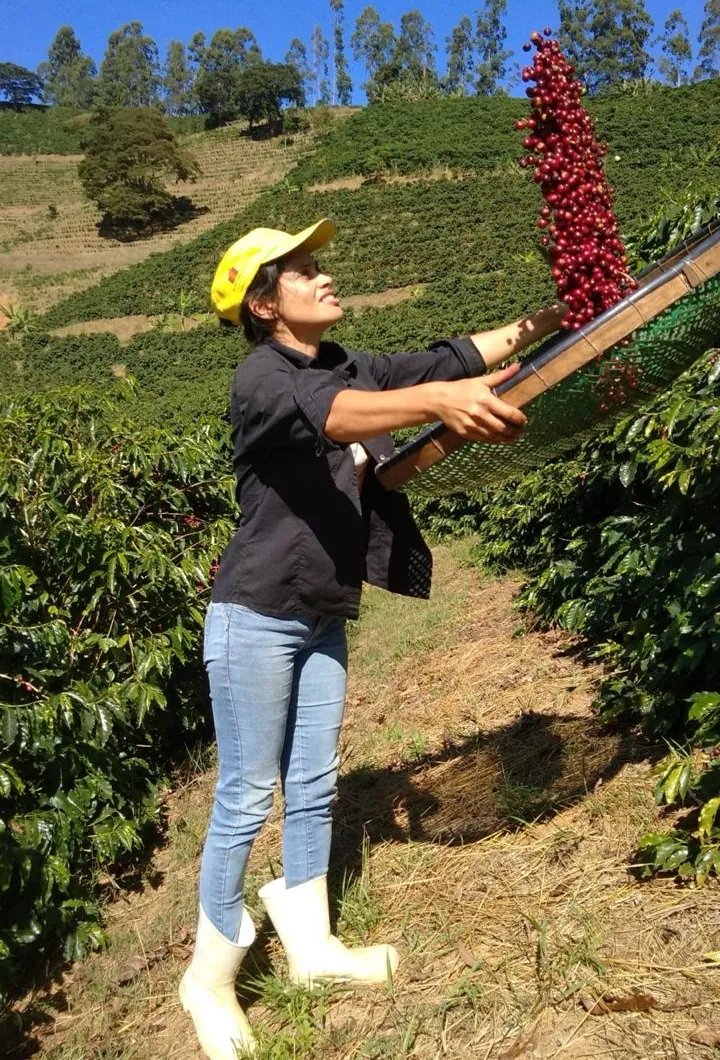
Today she runs production, from tending the coffee plants to harvesting, drying and sorting the beans. AVA are her initials, and every lot carries her signature.
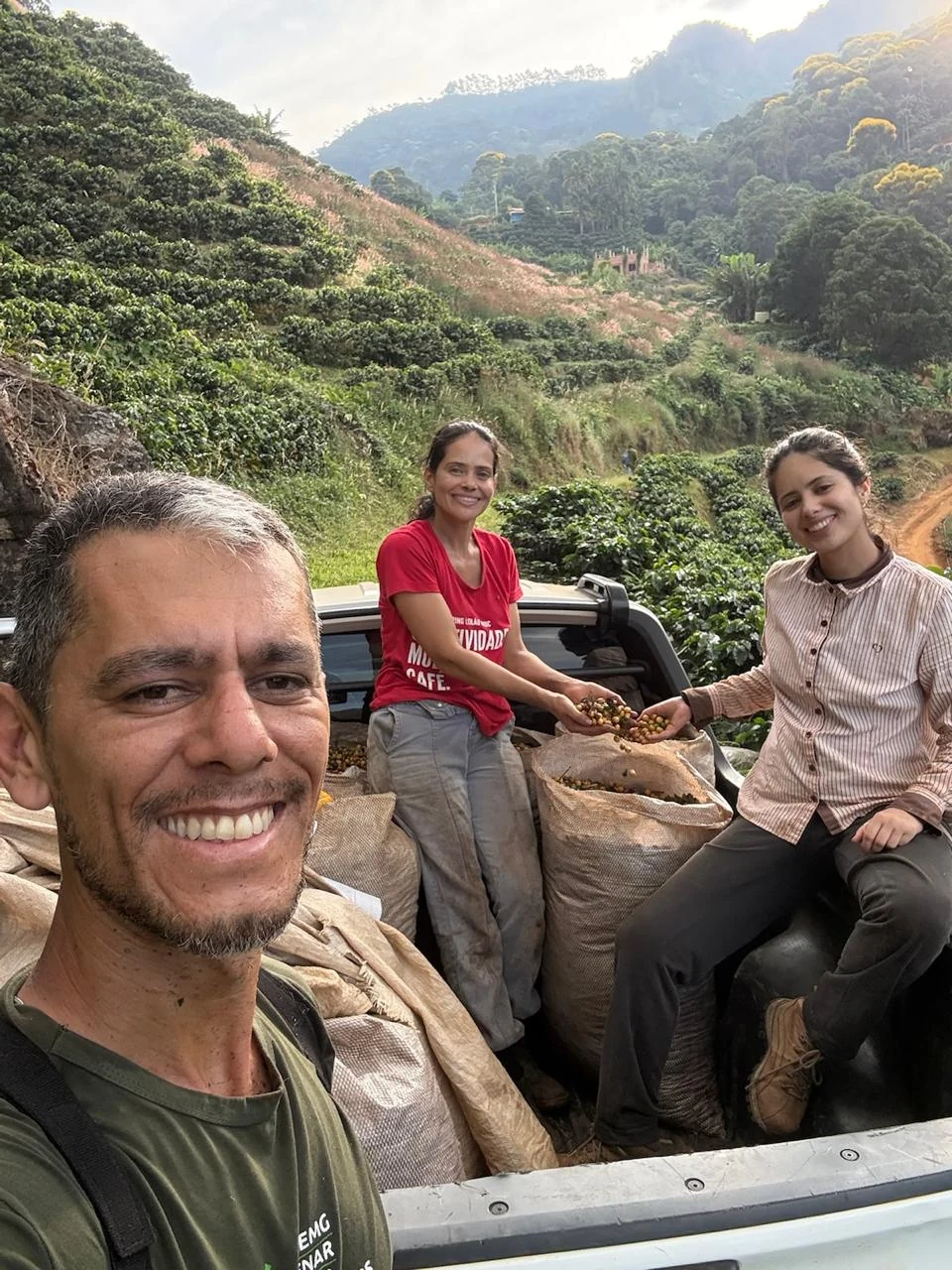
AVA is family farming in the most literal sense: the same family plants, picks and roasts. Cassiano, Adélia's husband, takes part in the many tasks of every stage of production. Their daughter, Maria Clara, is in charge of roasting: she turns the beans harvested on the farm into the flavor that reaches your cup. Four generations of coffee, passed from hand to hand.
From day one, the choice was to work with nature, not against it. No pesticides are used on the coffee, the soil is cared for with agroecological practices and the forest that is part of the farm is preserved. Today production is certified by Emater-MG with the Certifica Minas seal.

In 2022 the family arrived at Sítio Sossego, a high, preserved area bordering the Mata do Sossego private nature reserve (RPPN). Created in 1998 and managed by the Biodiversitas Foundation, the reserve protects the largest continuous stretch of Atlantic Forest in the region, between Simonésia and Manhuaçu.
It is home to one of the few remaining groups of the northern muriqui, the largest primate in the Americas, found only in Brazil and critically endangered. Known as the "gardener of the forest", it eats fruit and spreads the seeds through the woods, helping the forest renew itself. The same forest shelters the puma, the masked titi monkey and rare trees such as the jequitibá-rosa.
In the region, the spread of crops and pasture is the main threat to this forest. So for us, growing coffee right beside it without pesticides, with the surroundings preserved, is part of the job: proving that you can produce excellent coffee and, at the same time, help keep the muriquis' home standing.
"Our goal is to bring quality of life through our specialty coffee, to express the flavors of the terroir of our forests and to contribute to a healthier world. We want to pass on the care and affection we feel while doing such careful work on our coffees."
Adélia Vívian de Abreu · grower
From her grandfather Sebastião to her father, Manoel Isidoro, the craft of coffee was handed down through the generations to Adélia and, today, to her daughter Maria Clara.
Adélia leaves healthcare and buys her first farm, farmed from the start without pesticides and with its forest preserved.
The coffee fields grow, with the same integrated farming that pays close attention to nature.
A high, preserved area on the border of the Mata do Sossego reserve, home of the northern muriquis.
Production certified by Emater-MG, led by Adélia alongside her husband and daughter.
Recurring supply at farm-gate prices, with no steps in between, and sales materials for trade representatives. We also serve buyers from abroad.
We take orders on WhatsApp and ship anywhere in Brazil. For orders from abroad, send us a message.